Las toallitas, mascarillas, pañales y toallitas desechables que usamos a diario pueden estar hechas de un mismo material: tela no tejida. Esta tela no requiere tejido; se forma uniendo fibras directamente, lo que resulta en un material suave y resistente. Sin embargo, tras esta comodidad se esconden problemas: las toallitas de baja calidad son propensas a romperse, ciertos productos desechables pueden obstruir las tuberías y algunos incluso contienen sustancias nocivas.
Para abordar este problema, EDANA (Asociación Europea y Asiática de No Tejidos) e INDA (Asociación Industrial y Decorativa de No Tejidos) establecieron rigurosos estándares de calidad: las especificaciones NWSP (Rendimiento Estándar de No Tejidos). Estos estándares se centran específicamente en diversas telas no tejidas y evalúan propiedades como la resistencia, la capacidad de desecharse por el inodoro y la presencia de sustancias nocivas. Garantizan nuestra selección de productos seguros y fiables, garantizando que la tecnología realmente contribuye a una vida mejor.

Compendio de métodos de prueba estándar para materiales no tejidos de la NWSP
NWSP 10.1 Tres métodos de prueba estándar para la absorción de no tejidos
Tres métodos de prueba estándar para el rendimiento de absorción de no tejidos
NWSP 10.1 evalúa la tasa de absorción de líquidos, la capacidad de absorción de líquidos y la tasa de absorción de líquidos de las telas no tejidas.
NWSP 10.2 Absorción, Tasa-Agua
Prueba de rendimiento de absorción: tasa de absorción de agua
El método de prueba de tasa de absorción NWSP 10.2 es una técnica estandarizada para cuantificar la tasa de absorción de agua de los materiales de limpieza.
Durante la prueba, se coloca un juego de materiales de limpieza con masa y dimensiones conocidas sobre una superficie de agua controlada termostáticamente. Se observa el tiempo necesario para que el líquido los humedezca completamente.
Combinado con el cambio de peso del material de limpieza después de humedecerse, se calcula la tasa de absorción por unidad de tiempo determinando la absorción de líquido a través de la superficie del material.
Este método evalúa eficazmente la capacidad de absorción rápida de agua de los materiales de limpieza en aplicaciones prácticas.
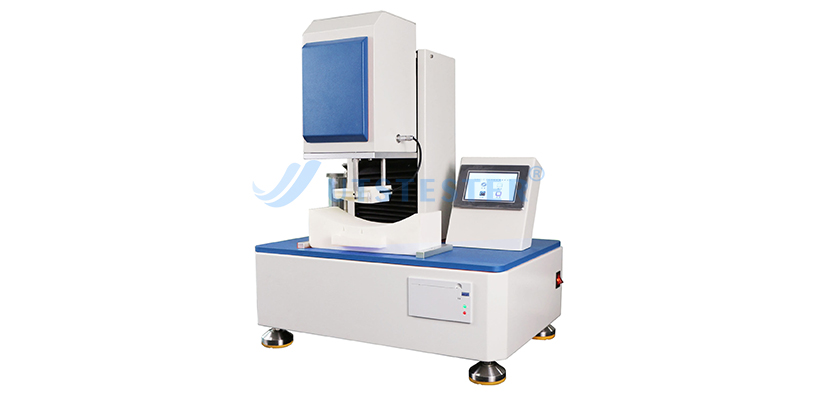
NWSP 10.4 Absorción, Capacidad-Aceite
Prueba de rendimiento de absorción: capacidad de absorción de aceite
La norma NWSP 10.4 evalúa el rendimiento de los materiales no tejidos en la absorción de aceites y otros líquidos grasos. Se centra principalmente en dos parámetros: el tiempo de absorción de líquidos y la capacidad de absorción de líquidos.
Resistencia a la abrasión NWSP 20.5, Martindale
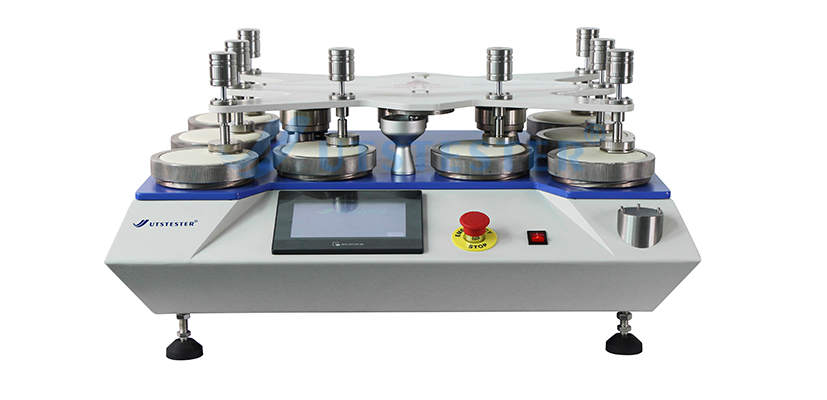
Prueba de resistencia a la abrasión - Método Martindale
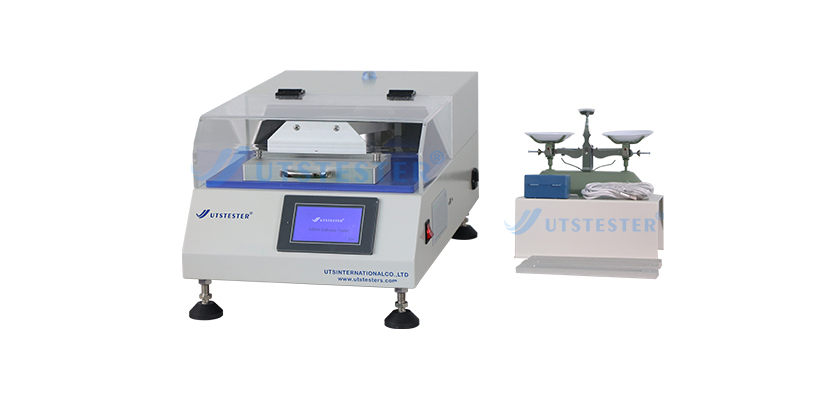
El método de prueba de resistencia a la abrasión NWSP 20.5 evalúa la resistencia al desgaste de los materiales no tejidos durante la fricción. La prueba se realiza utilizando un
Probador de abrasión Martindale
Este método es aplicable a diversos tipos de materiales no tejidos y se puede utilizar ampliamente para comparar el rendimiento de durabilidad de diferentes materiales bajo uso a largo plazo o condiciones de fricción repetida.
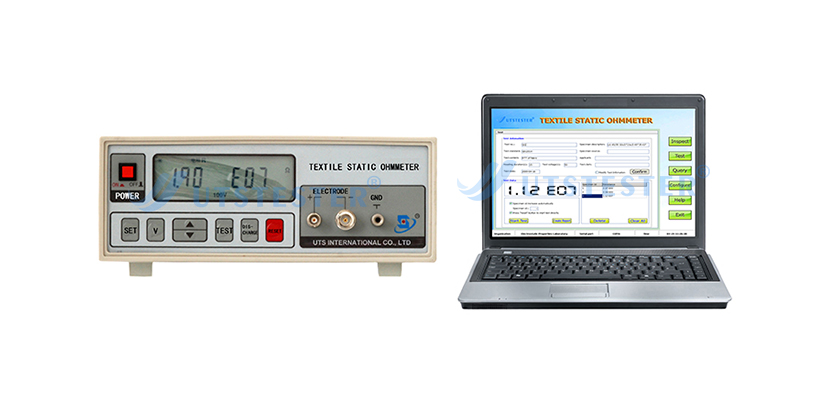
NWSP 40.2 Decaimiento electrostático
Prueba de desintegración electrostática
La prueba de decaimiento electrostático NWSP 40.2 evalúa las propiedades de disipación electrostática de un material. Este método determina las características electrostáticas de películas o láminas no tejidas midiendo el tiempo que tarda la carga en disiparse de la superficie del material. Esta prueba ayuda a comprender la seguridad e idoneidad del material para entornos sensibles a la electrostática.
NWSP 70.1 Permeabilidad al aire
Prueba de permeabilidad al aire
El método de ensayo de permeabilidad al aire NWSP 70.1 mide la permeabilidad al aire de los materiales no tejidos, lo que constituye un método clave para evaluar la capacidad de flujo de aire de una tela. Este método se aplica a diversos tipos de telas, como telas no tejidas, telas tejidas, tejidos de punto, materiales para airbags, mantas, telas cepilladas, estructuras en capas y telas de pelo.
NWSP 70.3 Paso de líquidos
Prueba de penetración de líquidos
El método de prueba de penetración de líquidos NWSP 70.3 mide el tiempo que tarda un líquido en penetrar los materiales de cobertura no tejidos. Se aplica un volumen específico de orina simulada a la superficie de la muestra y se registra el tiempo que tarda en penetrar hasta la almohadilla absorbente subyacente.
NWSP 70.8 Líquido penetrante, espalda húmeda con penetración repetida
Prueba de penetración de líquidos y espalda mojada (penetración múltiple)
El método de prueba de penetración de líquidos NWSP 70.8 evalúa la capacidad de la capa superior de un pañal para prevenir la retracción de líquidos en la piel. Se utiliza principalmente para el control de calidad y compara el rendimiento de la retracción de líquidos entre diferentes materiales de capa superior no tejida o técnicas de procesamiento.
NWSP 70.9 Tasa de adquisición y rehumectación
Prueba de tasa de absorción y rehumectación
El método de prueba NWSP 70.9 evalúa la absorción y retención de solución salina al 0.9% por productos para la incontinencia en condiciones simuladas de carga y presión. El tiempo necesario para saturar un volumen fijo de solución salina refleja la tasa de absorción.
Capacidad de retención de líquidos centrífuga WSP 70.10
Prueba de capacidad de retención de líquidos centrífugos
La prueba de capacidad de retención de líquidos centrífuga WSP 70.10 evalúa la cantidad de líquido que pueden retener los productos para la incontinencia tras someterse a la fuerza centrífuga. Este método se suele realizar después de la prueba de capacidad de absorción para evaluar con más detalle la capacidad de retención de líquidos del producto.
NWSP 80.3 Penetración de agua, impacto de pulverización
Prueba de penetración de agua bajo impacto de pulverización
La prueba de penetración de agua NWSP 80.3 se aplica a telas que se espera que presenten propiedades impermeables o hidrófugas. No se recomienda para probar telas muy porosas susceptibles a una penetración significativa de agua.
NWSP 80.6 Resistencia al agua, presión hidrostática
Prueba de resistencia al agua - Método de presión hidrostática
La prueba de resistencia al agua NWSP 80.6 se aplica a todos los materiales no tejidos diseñados como barreras contra la penetración de líquidos. Este método evalúa la resistencia de un material no tejido a la penetración de agua bajo diferentes presiones hidrostáticas.
NWSP 80.10 Líquido penetrante, espalda húmeda
Prueba de penetración de líquidos y espalda mojada
La prueba de reverso húmedo de la capa exterior NWSP 80.10 evalúa la capacidad de las capas exteriores de los pañales para evitar que la humedad se absorba hacia la superficie de la piel tras la penetración de líquidos. Este método, utilizado principalmente para control de calidad, compara las diferencias en el rendimiento de reverso húmedo entre diversos materiales de capa exterior no tejidos y sus tratamientos. Nota: Esta prueba no simula las condiciones reales de uso del producto.
NWSP 90.1 Rigidez, voladizo
Prueba de rigidez - Método de vigas en voladizo
El método de ensayo de rigidez NWSP 90.1 se basa en el principio de flexión en voladizo bajo el propio peso del tejido y se utiliza para evaluar la rigidez de las telas no tejidas. Este método mide la longitud de flexión y calcula la rigidez a la flexión en consecuencia. El ensayo es aplicable a la mayoría de las telas no tejidas, tratadas o no, incluyendo materiales sometidos a encolado, recubrimiento o tratamiento con resina.
NWSP 90.3 Suavidad, Mango-0-Metro
Prueba de suavidad - Método de mango a 0 metros
El método de prueba de dureza NWSP 90.3 evalúa la dureza o sensación al tacto de las telas no tejidas. Esta prueba postula que la sensación al tacto resulta del efecto combinado de la resistencia a la fricción superficial y la rigidez a la flexión del material.
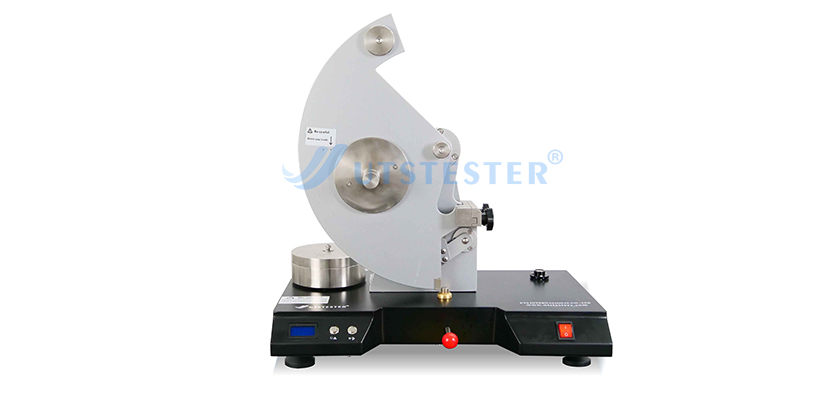
NWSP 100.1 Resistencia al desgarro, Elmendorf
Prueba de resistencia al desgarro - Método Elmendorf
El método de prueba de resistencia al desgarro NWSP 100.1 utiliza un aparato de péndulo Elmendorf para medir la fuerza promedio requerida para rasgar una tela no tejida desde una muesca precortada, evaluando así la resistencia del material al desgarro.
NWSP 100.2 Tracción, desgarro trapezoidal
Prueba de resistencia al desgarro - Método trapezoidal
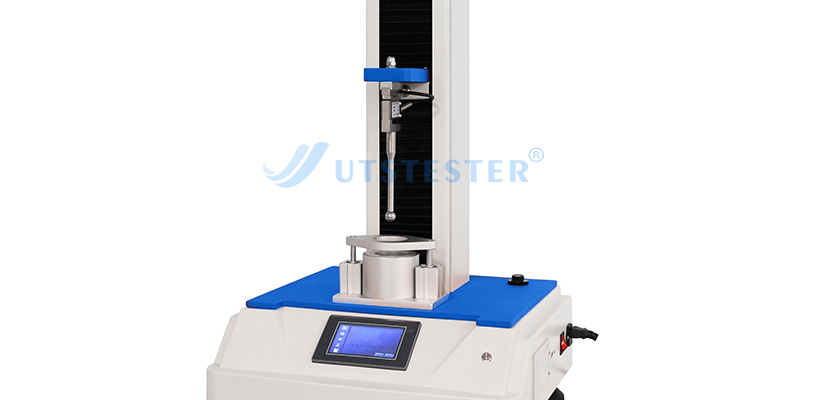
El método de prueba de propiedades de tracción NWSP 100.2 emplea un comprobador de velocidad constante de extensión (CRE) para determinar la resistencia al desgarro de telas no tejidas utilizando el método trapezoidal.
NWSP 110.1 Resistencia a la tracción y al agarre
Prueba de resistencia a la tracción - Método de agarre
El método de ensayo de propiedades de tracción NWSP110.1 emplea un procedimiento de ensayo de resistencia al agarre para determinar la resistencia a la rotura y la elongación de la mayoría de los materiales no tejidos. Este método incluye ensayos en seco y en húmedo, y es aplicable a materiales no tejidos y telas de fieltro. No se recomienda para materiales muy elásticos.
NWSP 110.4 Método de tracción por tira - Seco
Prueba de resistencia a la tracción - Método de tira (seca)
El método de ensayo de rendimiento de tracción de tiras NWSP 110.4 emplea un procedimiento de ensayo de tiras cortadas para determinar la resistencia a la rotura y la elongación de la mayoría de los materiales no tejidos. Este método incluye procedimientos operativos para ensayos en seco y en húmedo.
NWSP 110.4 Método de tracción por tira - Húmedo
Prueba de resistencia a la tracción - Método de tira (húmeda)
El método de prueba de propiedades de tracción de tiras NWSP 110.4 emplea un procedimiento de corte de tiras para determinar la fuerza de rotura y el alargamiento de la mayoría de los materiales no tejidos, y proporciona protocolos específicos para pruebas tanto en seco como en húmedo.
NWSP 110.5 Resistencia a la penetración - Ruptura de bola
Prueba de resistencia a la penetración - Método de estallido de bola
El método de prueba de ruptura de bola NWSP 110.5 se utiliza para determinar la resistencia a la perforación de telas no tejidas.
Peso base NWSP 130.1
Prueba de peso base
El método de prueba de peso base NWSP 130.1 mide la masa por unidad de área de muestras de material no tejido.
NWSP 160.1 Pelusa (Gelbo)
Prueba de desprendimiento de fibras (método Gelbo)
El método de prueba de pelusa NWSP 160.1 evalúa la tendencia relativa de las telas a desprender partículas al ser dobladas y torcidas por un generador de partículas. Durante la prueba, un contador de partículas mide la cantidad y el tamaño de las partículas liberadas.
WSP 241.2 Absorción, capacidad de retención - Prueba de bolsitas de té
Prueba de capacidad de retención de absorción - Método de la bolsita de té
La prueba de retención de líquidos WSP 241.2 evalúa la capacidad de retención de líquidos de los polvos superabsorbentes de poliacrilato (PA) después de la centrifugación en soluciones salinas.
WSP 242.2 Materiales superabsorbentes: absorción bajo presión
Materiales superabsorbentes: prueba de absorción de presión
El método de prueba de absorción de presión WSP 242.2 mide la capacidad de absorción del polvo superabsorbente de poliacrilato (PA) en condiciones de presión específicas, donde la permeabilidad es un parámetro crítico que requiere un control estricto durante la prueba.
NWSP 350.1 Absorbencia de tampones menstruales - Método Syngina
Prueba de absorbencia de tampones menstruales - Método Syngina
El método de prueba de absorbencia de tampones menstruales NWSP 350.1 emplea el aparato Syngina y especifica el procedimiento de prueba para determinar el rendimiento de absorbencia de los tampones menstruales en condiciones in vitro.
NWSP 402.0 Suavidad, Aplastamiento en taza
Prueba de suavidad - Método de aplastamiento en taza
La prueba de aplastamiento por copa NWSP 402.0 es un método eficaz para evaluar las propiedades de los materiales durante la deformación multidireccional simultánea. Esta prueba mide la blandura de materiales de menos de 1 mm de espesor y cuantifica la flexibilidad mediante datos de carga máxima y energía.
WSP 511.3 Dispersabilidad, método de vórtice sin cribado
Prueba de dispersibilidad - Método de vórtice sin cribado
El método de prueba de vórtice de dispersabilidad WSP 511.3 evalúa la dispersabilidad o degradabilidad física de los productos desechables durante su paso por bombas de aguas residuales domésticas (por ejemplo, bombas de chorro y bombas maceradoras) y sistemas de transporte de aguas residuales municipales (incluidas tuberías de alcantarillado y estaciones elevadoras).
Correo electrónico:
hello@utstesters.com
Directo: + 86 152 6060 5085
Teléfono: +86-596-7686689
Web:
www.utstesters.com


 +86 152 6060 5085
 English
 русский
 español
 português
 العربية
 Polski



 hello@utstesters.com
 hello@utstesters.com
 +86 152 6060 5085
 +8615260605085